Diamond History: A Modern Graffiti Display Font
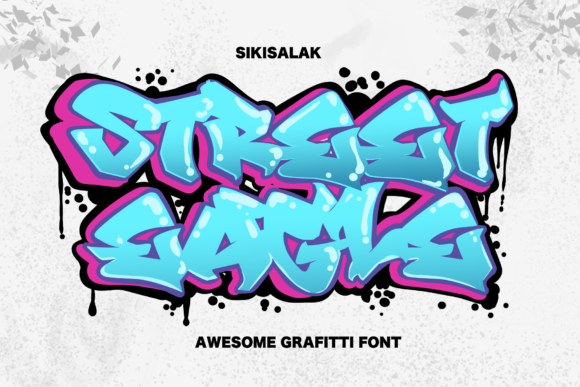
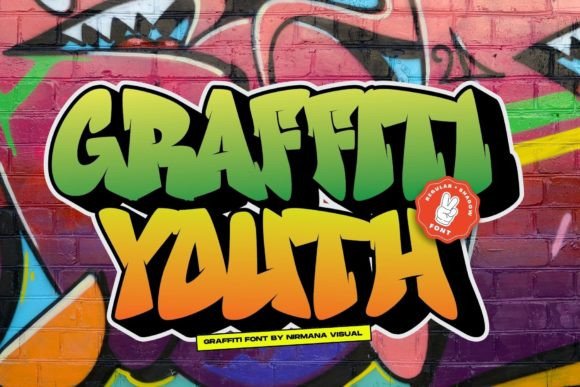
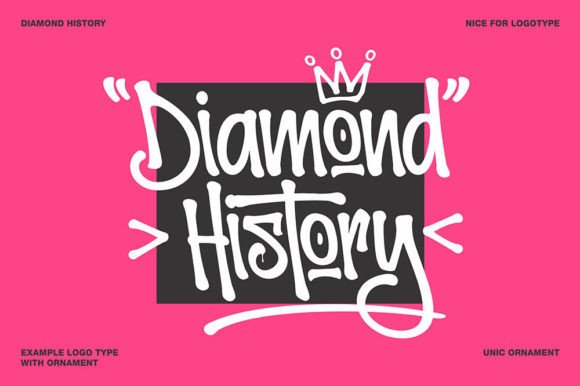
Every great design tells a story, and the right typeface is the voice that brings it to life. For projects that demand a bold, urban edge, the Diamond History font steps onto the scene. This graffiti-inspired display typeface combines raw, artistic energy with clean, modern typography, making it a standout choice for creators looking to inject personality and trend-aware style into their work.
At its core, Diamond History is a premium font designed for impact. Its stylish, street-art aesthetic makes it instantly recognizable, perfect for headlines, logos, and any visual element that needs to command attention. Unlike a standard serif font or a basic sans serif font, its unique character shapes and dynamic flow capture a contemporary, youthful vibe. This creative font is more than just letters; it's a design asset that sets a specific mood, ideal for projects in music, fashion, streetwear, and digital culture.
Where This Urban Typeface Shines
The versatility of this display font allows it to elevate a wide range of creative projects. Consider its application in:
- Brand Identity & Logo Design: Create a memorable logo for a streetwear brand, music label, or urban lifestyle company. Its distinctive style helps build strong brand recognition.
- Poster Design & Editorial Layouts: Grab attention for event posters, magazine covers, or book titles. The font’s visual appeal makes it a hero element in any layout.
- Packaging Design & Merchandise: Design eye-catching labels, apparel graphics, or merchandise that resonates with a trendy, urban audience.
- Social Media Graphics & Web Design: Craft scroll-stopping headlines for Instagram posts, YouTube thumbnails, or website banners that need a modern, engaging accent.
Tips for Choosing and Using This Font
To get the most out of Diamond History, a thoughtful approach to its implementation is key. First, always consider readability. While it’s a stunning display font, ensure your text remains legible, especially at smaller sizes or in longer sentences. It’s best suited for short, impactful phrases.
Next, match the font to the project’s mood. Its graffiti-inspired style works best for projects aiming for a cool, edgy, or youthful feel. For a more formal or traditional brand, it might be better used as a contrasting accent rather than the primary typeface.
Effective font pairing is also crucial. Diamond History pairs beautifully with simple, clean fonts. Try combining it with a neutral sans serif font for body text or a subtle script font for secondary elements. This contrast ensures the headline font pops without overwhelming the entire design.
Finally, review the font’s licensing. Ensure the commercial font license covers your intended use, whether for client projects, merchandise, or digital products. Checking for multiple weights or styles within the font family can also add valuable design flexibility to your toolkit.
Choosing a typeface like Diamond History is about more than just aesthetics; it’s about adding a layer of authenticity and contemporary flair to your visual communication. The right font can unify your design, strengthen your message, and make your projects look polished and professional. By selecting a well-crafted typeface that aligns with your creative vision, you invest in a design asset that helps your work stand out in a crowded visual landscape.